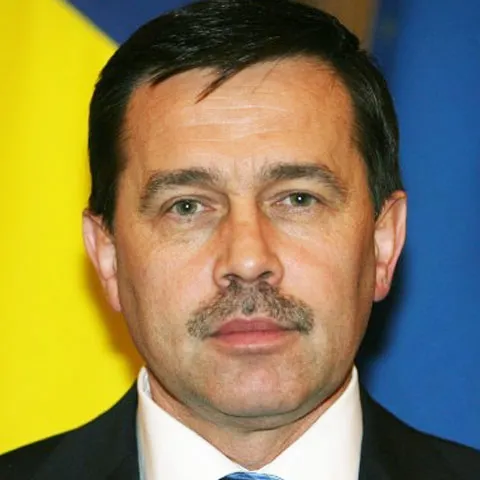
Almost 80 percent of companies in Romania declare losses twice the size of their profit and fail to pay their duties to the state, entering an unfair competition with the other firms, according to the country's Finance Minister, Gheorghe Pogea.
“Out
of the total 617,525 companies in Romania, only 12,000 ensure around 85
percent of the public revenues by paying their taxes to the state,”
declared Pogea during a seminar organized by Business Standard.
The
average profitability rate of companies in Romania stood at 5.8 percent
in 2007. Some 242,000 firms that reported losses had businesses of 134
billion lei and an average loss rate of 16.2 percent. The average
profit rate for lucrative companies was 10.4 percent in 2007.
The minister stressed that there are firms which reported an average loss rate of 180 percent in the past two-three years.
The
administrative burden on companies needs to be diminished, added Pogea,
saying that at the moment 71 taxes and tariffs out of the total 558
could be reduced.
The
flat tax rate, the value added tax (VAT), the income tax and
contributions will not be modified this year or the next, but the tax
basis will be enlarged.
“Modifications
will be made, but we will not alter the main taxes. We are talking
about the poll tax only,” the minister said, adding that no expenses
for investments will be cut.
Moreover, tax payments could be made through an electronic system. The
Public Finance Ministry (MFP) will hold a meeting on March 26 with the
representatives of the business environment to discuss on the new
fiscal code to be applied starting with January 1 2010.
“The
provisions of the new fiscal code need to announced in time, usually
six months before, because it is important for every investor to know
the modifications in advance,” Pogea explained.
However, the fiscal code should not be conceived for the current harsh times, but should consider a larger time horizon.
Finance ministry to leave more money on the market for the private sector
Liquidity
on the market will hike starting with the second part of the year as
MFP will no longer take so many credits, but will leave money on the
market for the private sector, added Pogea.
MFP
collected money from state security issuances at interest rates of 11
to 12 percent per year in the past months, but Romania will have access
to funds from the European Commission (EC) at an interest rate of 3
percent in the following period.
The
finance minister added the accord with the International Monetary Fund
(IMF) and the EC will restore investors' trust and will ensure the
stability of the exchange rate and of the banking system.