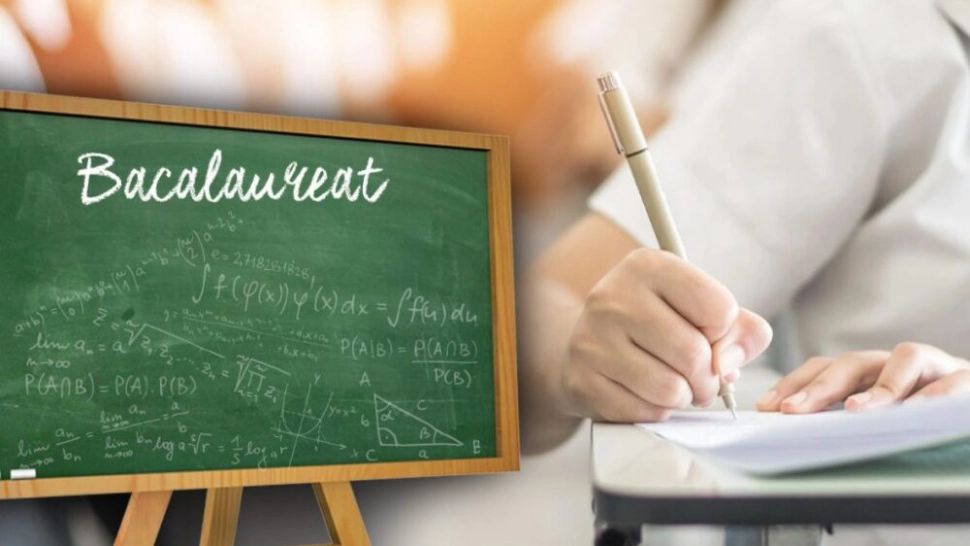
Unions in Romania’s education system will put off tomorrow’s strike and instead approve the protocol hashed over with the minister today which is intended to find solutions to their discontent, people from the unions told NewsIn.
However,
unions’ representatives say they are unhappy with the final outcome of
talks with the minister Ecaterina Andronescu, but will refrain from
protesting or further boycotting the national examinations or high
school graduation tests.
What’s
more, some unions claim they received no official confirmation on
continuing the row of protests and calling a general strike and remain
dissatisfied with the result of negotiations with the minister, a local
leader of the FSLI union, Gheorghe Giurumescu said.
Another
representative of unions, teacher Toma Banuta, mulls that teachers are
more than ready for a strike, having the smallest wages possible, even
below 1,000 lei. “Everybody is revolted the government is mocking us,”
he said.
Yet, some of the parents disagree with the strike and teachers on the verge of retirement are undecided, he added.
Meeting
the minister for two days in a row concluded in signing a protocol
which will hopefully tackle and solve claims. Yet, a final decision on
the general strike will be announced officially tomorrow after the
joint meeting of the four biggest unions in education.
The
document reads that both salaries and bonuses will remain unchanged and
that no dismissals will take place and extra funds will be granted to
the underpaid system at the next budget revision. The previous revision
slashed funds.
The
national tests that should have taken place today were rescheduled for
May 7 and rest of the tests will be held according to schedule, on May
13 and 21.
Education
unions and government representatives agreed to meet again on May 6 for
further talks. The two parties negotiated today for six hours and at
first union leaders announced they would call a strike for the next
day, but they changed their mind. This generated chaos in countrywide
schools, some students showing up for classes, others staying at home.
Unions
in education are unhappy that the promised salary raises have been
continuously put off in the past weeks. Last year, before the
Parliament elections at the end of November, the outgoing lawmakers
passed a law granting education staff a 50 percent raise. The president
also approved it, but the former Liberal government rejected it. Now he
admits it was a mistake.